GNI members work together to leverage each other’s unique expertise and perspectives to advance and protect freedom of expression and privacy in the ICT sector around the world. The six GNI-Internews Fellows have each designed a research project that draws on the unique affordances of this multistakeholder model of collaboration. By pursuing this research throughout their term, fellows apply their GNI participation directly to issues of importance to them.
In the coming weeks, GNI and Internews will publish fellows’ blog posts that contextualize and describe their research, covering a broad spectrum of freedom of expression and privacy issues. The posts will appear under the Fellows 2020 tab and also listed here for reference. By the end of their fellowship, each fellow will have produced a research report, policy brief, website, database, or other tool needed to advance policy advocacy on their selected topic. A second series of blog posts featuring the results of their work will be published later this year.
GNI-Internews Fellows have exceptional expertise in digital rights issues and closely related fields. Based in Africa, Latin America, and South Asia, fellows spend one year contributing to GNI’s policy and learning activities, building and strengthening relationships with other GNI members, and gaining insight into GNI’s unique multistakeholder model.
Fellows’ research projects seek to understand the impact of different government policies on internationally accepted rights to freedom of expression and privacy, and they identify how multistakeholder engagement can improve each situation. To conduct their research, fellows will consult with GNI members from across our four constituencies: ICT companies, civil society organizations, academics and academic institutions, and investors.
. . .
Examining the Impact of Internet Shutdowns on Women’s Online Expression and Participation in Uganda

Sandra Aceng, Women of Uganda Network
Sandra is examining the impact of network disruptions on the freedom of expression and privacy rights of women in Uganda.
. . .
How Social Media Platforms Can Better Protect Sensitive Speech
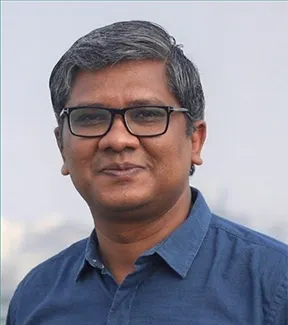
Miraj Chowdhury, Management and Resources Development Initiative
Miraj is documenting cases of journalist account removal on social media to understand the contours of troll-facilitated manipulation in Bangladesh.
. . .
Mass Surveillance in the Context of a State of Emergency

Paloma Lara Castro, TEDIC
Paloma is researching how the abuse of emergency measures during crises can facilitate disproportionate surveillance and broader erosion of democratic principles in Paraguay.
. . .
Digging Deep into Silent Internet Censorship in Peru

Miguel Morachimo, Hiperderecho
Miguel is developing an online advocacy hub to draw attention to a legal loophole in Peru that enables websites and mobile apps to be blocked without democratic safeguards or process.
. . .
Mapping the Cycle of Internet Censorship in India

Devdutta Mukhopadhyay, Internet Freedom Foundation
Devdutta is collecting and analyzing primary data on website blocking and network disruptions in India and will research strategies used by litigators to challenge these measures before constitutional courts.
. . .
Understanding Digital Taxation in Kenya
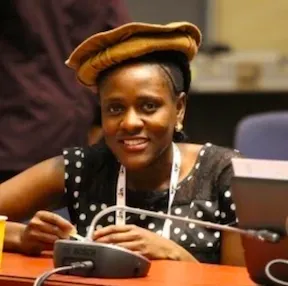
Liz Orembo, KICTAnet
Liz is studying the impact that Kenya’s new taxes on international companies have on internet access and human rights in the country.